
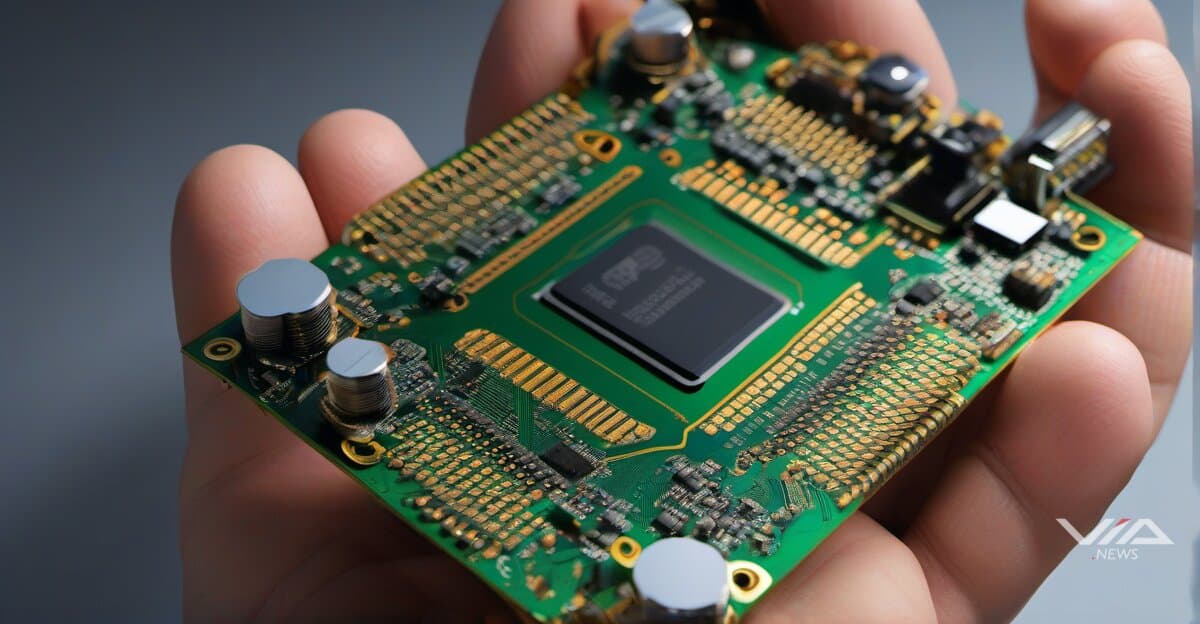
Huawei aims to ship 750,000 units of its 950PR AI chip in 2026 as US export bans on Nvidia's advanced processors push Chinese tech companies toward domestic semiconductor options. ByteDance and Alibaba are planning orders after testing validated the chip's performance.
The 950PR addresses a critical pain point for Chinese developers: compatibility with CUDA, Nvidia's dominant programming framework. Tech firms report higher satisfaction with the chip compared to previous domestic alternatives because developers can migrate their AI models more easily from Nvidia-based systems.
US restrictions have blocked many of Nvidia's AI chips from sale to China, creating urgency for alternatives. China responded with a domestic semiconductor campaign encouraging local chip adoption. The policy shift is accelerating what would have been a gradual transition.
Customer testing results drove the momentum. Both ByteDance and Alibaba, major AI infrastructure operators in China, validated the 950PR's capabilities and plan to place orders. The companies have been running CUDA-based systems, making migration feasibility a determining factor.
Developers at Chinese tech firms indicate they intend to deploy the 950PR more extensively than previous domestic chip generations. The compatibility advantage reduces the software rewrite burden that plagued earlier alternatives.
Huawei's 750,000-unit shipping target for the year signals confidence in capturing market share from Nvidia's restricted product lines. The volume would represent substantial penetration in China's AI chip market, where ByteDance and Alibaba operate some of the largest deployments.
The shift illustrates how export controls can accelerate rather than slow technological development in restricted markets. By forcing migration away from foreign dependencies, the restrictions created demand conditions favoring domestic suppliers like Huawei who can offer compatible transition paths.