
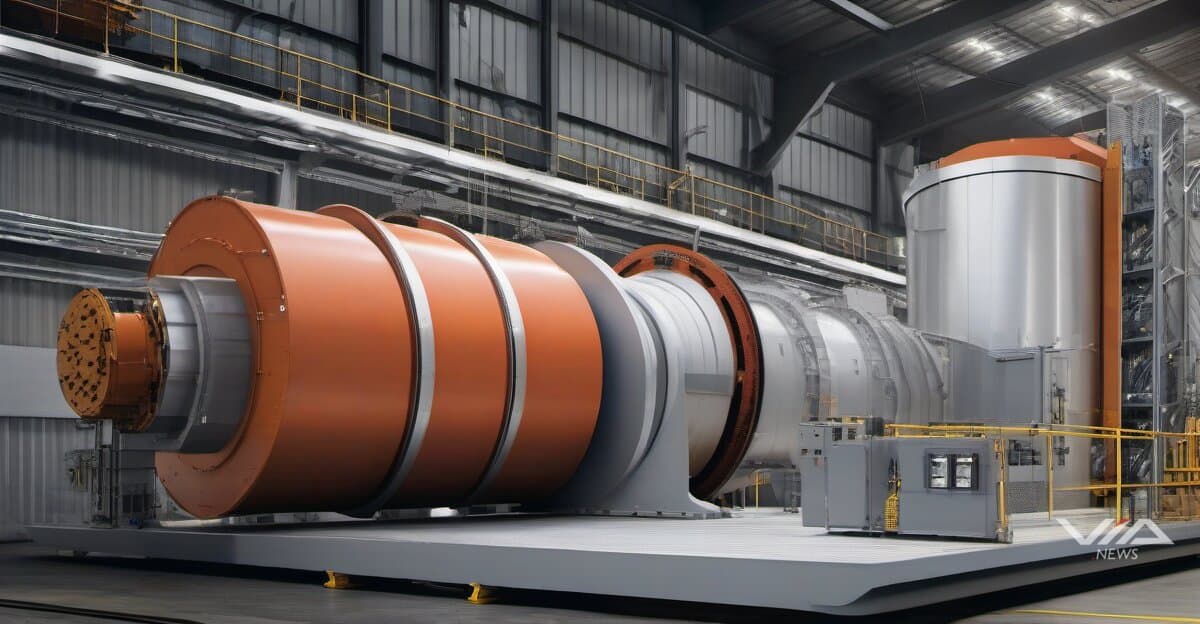
MP Materials expects its 10X magnet manufacturing facility to enter commissioning in 2028, expanding production capacity from 1,000 to 10,000 metric tonnes annually. The facility will produce neodymium-iron-boron (NdFeB) permanent magnets used in electric motors and actuators across AI hardware applications.
Permanent magnets power servo motors in industrial robots and collaborative robots deployed in AI-driven manufacturing. Data centers running AI workloads use magnet-based motors in cooling systems and backup generators. The 10X facility's output could supply magnets for approximately 1 million electric motors annually, based on typical automotive and industrial motor magnet content.
MP Materials operates the Mountain Pass rare earth mine in California, the only US source of rare earth elements. The company currently processes rare earth concentrate at Mountain Pass and ships material to China for magnet manufacturing. The 10X facility represents the final stage of domestic vertical integration, eliminating China from the supply chain.
China controls 90% of global permanent magnet production and 70% of rare earth mining. US automakers, defense contractors, and technology companies face supply chain risks from this concentration. The US Department of Defense designated rare earths as critical materials in 2021, citing national security concerns over China's market dominance.
The facility will use MP Materials' patented magnequench technology to produce magnets at scale. Initial capacity targets industrial and automotive customers before expanding to consumer electronics. The company has not disclosed capital costs for the 10X facility or magnet pricing.
Demand for permanent magnets is projected to grow 8-10% annually through 2030, driven by electric vehicle adoption and industrial automation. AI hardware infrastructure adds incremental demand as hyperscalers build data centers and robotics deployments accelerate in logistics and manufacturing sectors.
The 2028 timeline positions MP Materials to capture market share as US companies diversify supply chains away from Chinese suppliers. Competing US magnet projects from Vacuumschmelze and Urban Mining Company target smaller production scales with 2026-2027 start dates.