
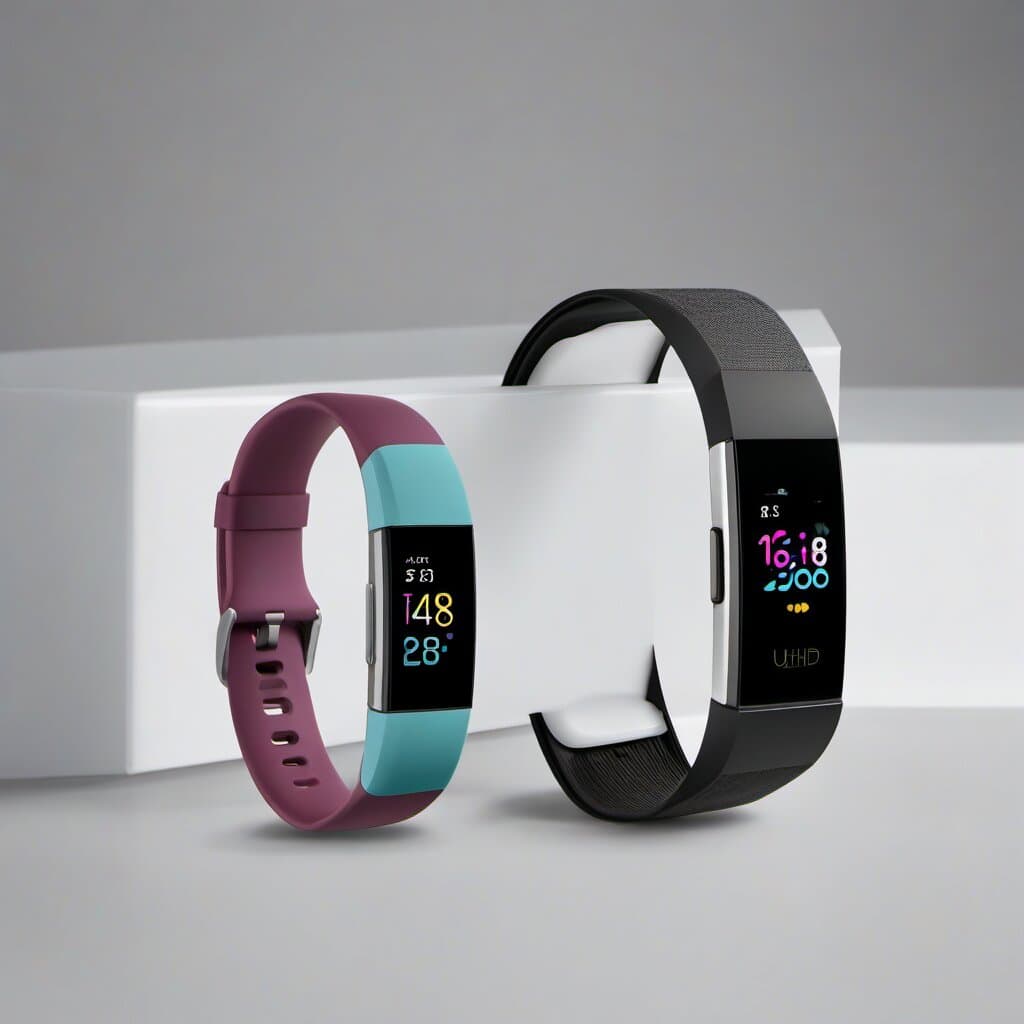
Fitbit, once a standalone leader in wearable technology, has navigated through significant changes over the past few years. Acquired by Google in 2017, the company continues to maintain its position as a major player in the fitness and health tracking market. According to The Verge AI, despite undergoing transitions and challenges, Fitbit remains a reliable brand for users seeking to monitor their daily activities and health metrics.
Background and Context
Founded in 2007, Fitbit pioneered the consumer-grade wearable technology market with its simple yet effective fitness trackers. These devices quickly gained popularity due to their ease of use and straightforward approach to tracking steps, calories burned, and sleep patterns. Over the years, Fitbit expanded its product lineup to include smartwatches and introduced advanced health monitoring features such as EKGs and blood oxygen level tracking.
In 2017, Google acquired Fitbit for $2.1 billion, signaling a new era for the company. This acquisition brought both opportunities and challenges. On one hand, Google's resources and technological capabilities could enhance Fitbit's offerings. On the other hand, integrating Fitbit into Google's ecosystem meant navigating through complex transitions and aligning with Google's strategic goals.
Recent Developments and Challenges
The transition period from 2023 onwards has been particularly challenging for Fitbit. According to The Verge AI, the company faced multiple server outages, leading to frustration among users. Additionally, Fitbit decided to sunset several legacy community features, such as challenges, which were popular among users. The integration of Google's account system has also been a point of contention, with users expressing dissatisfaction over the requirement to log in via Google starting in February 2026.
These changes reflect a broader shift within the company. In 2024, Fitbit saw significant leadership changes, with co-founders James Park and Eric Friedman leaving the company. Around the same time, Google laid off approximately a thousand employees, indicating a restructuring phase for the organization.
Technical Details and Capabilities
Despite these challenges, Fitbit continues to produce devices that offer robust health and fitness tracking capabilities. According to The Verge AI, Fitbit devices are known for their ability to track steps, monitor heart rate, and provide insights into sleep patterns. Some models even include advanced features like EKG monitoring and real-time stress tracking.
One of the standout features of Fitbit devices is their battery life. Unlike more advanced smartwatches, Fitbit trackers typically last around five days, making them ideal for users who prefer not to worry about charging their devices frequently. However, features like an always-on display can significantly reduce battery life, so users need to weigh the trade-offs carefully.
Analysis and Implications
The ongoing integration of Fitbit into Google's ecosystem has both positive and negative implications. On the positive side, Google's resources and technological advancements could lead to innovative features and improved user experiences. For instance, the Pixel Watch 4, which is compatible with Fitbit's AI-powered fitness coach, showcases the potential of combining Fitbit's expertise with Google's technological prowess.
However, the transition has also led to concerns about data privacy and the loss of unique community features. Users who are accustomed to Fitbit's standalone ecosystem may find the integration with Google unsettling, especially regarding data handling and privacy.
Future Outlook
Looking ahead, Fitbit appears to be positioning itself as a more affordable alternative to high-end smartwatches. According to The Verge AI, Fitbit devices often go on sale, making them accessible to a wider range of consumers. Additionally, all Fitbit devices come with a free trial to Fitbit Premium, a subscription service that offers guided workouts, meditations, and deeper insights into health metrics.
As Google continues to develop its own line of smartwatches, the future of Fitbit remains uncertain. However, the company's focus on affordability and its continued development of health-focused features suggest that it will remain a relevant player in the wearable technology market.
In conclusion, while Fitbit faces ongoing challenges and transitions, its enduring popularity and commitment to health and fitness tracking indicate a promising future. As the company continues to evolve under Google's ownership, users can expect to see both innovative features and potential changes to the user experience. Whether these changes will ultimately benefit users remains to be seen, but Fitbit's continued presence in the market suggests a bright future for those interested in wearable technology for health and fitness.