
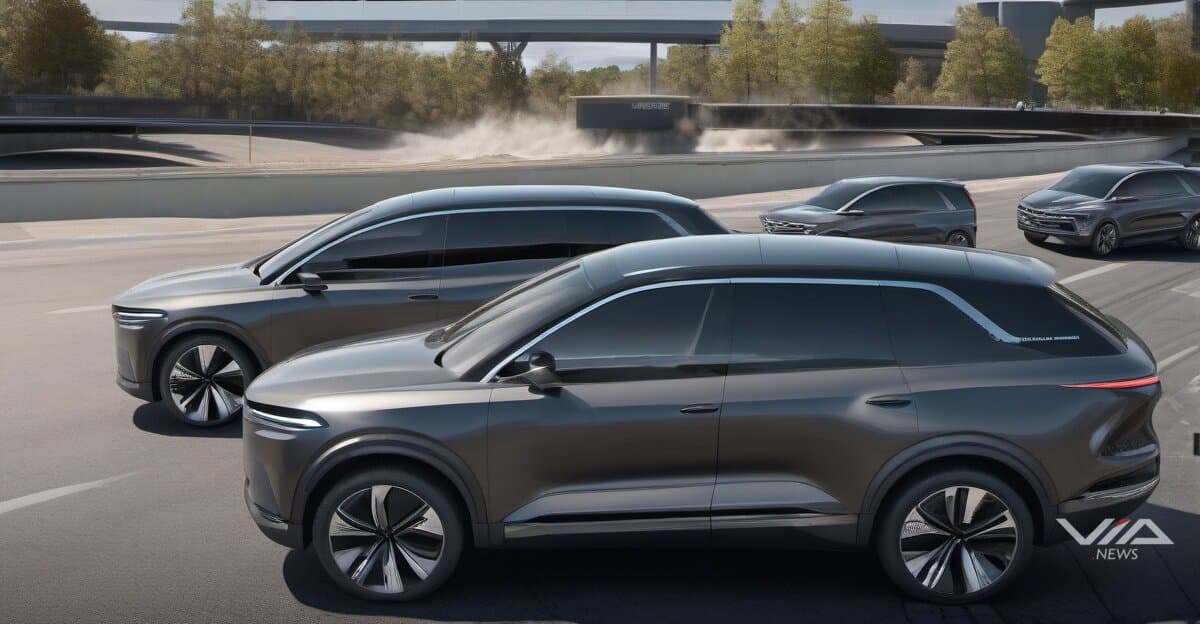
Vehicle manufacturers are deploying Level 2++ autonomous driving systems as standard features across multiple production lines for 2025-2026 releases. The systems represent advanced driver assistance that handles steering, acceleration, and braking while requiring driver supervision.
Level 2++ sits between traditional Level 2 ADAS and full Level 3 autonomy. Drivers must remain attentive but the systems handle more complex scenarios than earlier generations. The designation indicates enhanced capabilities beyond basic adaptive cruise control and lane keeping.
The deployment timeline suggests manufacturers view the technology as production-ready rather than experimental. Multiple vehicle lines receiving the systems simultaneously indicates supply chain maturity and confidence in reliability metrics.
Mass adoption creates a feedback loop for autonomous vehicle development. Each vehicle equipped with Level 2++ sensors generates driving data across diverse conditions, weather patterns, and geographic regions. This real-world dataset exceeds what controlled testing environments can produce.
Consumer exposure to autonomous features at scale influences market expectations. Drivers experiencing Level 2++ capabilities daily become familiar with autonomous behavior patterns, potentially accelerating acceptance of higher automation levels when available.
The commercialization pace contrasts with earlier cautious rollouts. First-generation ADAS features appeared gradually as premium options. Current Level 2++ deployments target broader vehicle segments from launch.
Industry analysts view the standardization as infrastructure building. The sensor arrays, processing hardware, and software architectures deployed in Level 2++ vehicles establish platforms upgradeable to Level 3 and beyond through over-the-air updates.
The 2025-2026 window positions these vehicles as the largest autonomous system deployment to date. Previous autonomous initiatives focused on limited geographic areas or fleet vehicles. Level 2++ systems will operate across entire markets where vehicles are sold.