
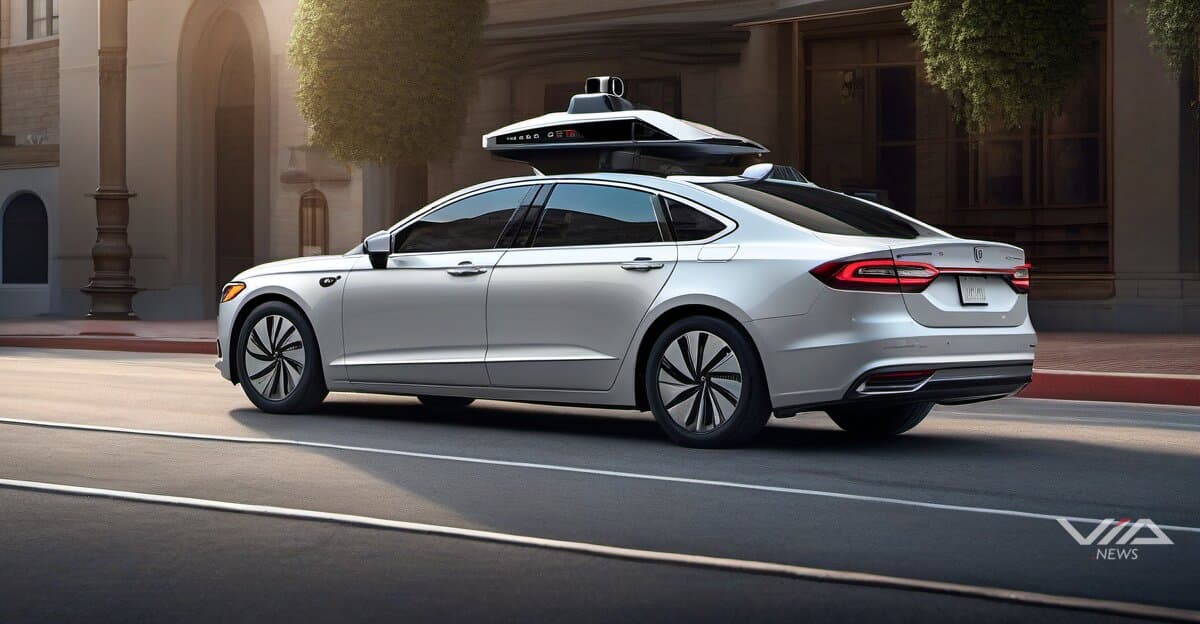
Uber sold its Uber ATG autonomous vehicle unit in December 2020, ending years of internal development. The company has since replaced proprietary tech efforts with a partnership model centered on specialized autonomous vehicle firms.
The rideshare giant announced partnerships with UK-based Wayve and multiple Chinese AV companies. Uber also struck a robotaxi deal with electric vehicle maker Rivian, with negotiations reportedly spanning an extended period.
Uber backed the strategy with capital commitments. The company invested in both Wayve and Rivian Automotive, taking equity stakes in the AV developers. This approach gives Uber technology access without maintaining large internal engineering teams.
The pivot reflects a broader industry split between vertically integrated players like Tesla and Waymo, who develop full-stack autonomous systems, versus platform operators who aggregate third-party technology. Uber's model resembles its core rideshare business: own the marketplace, not the underlying assets.
Partnership economics differ sharply from in-house development. Internal AV programs require sustained R&D spending on sensors, compute hardware, simulation infrastructure, and safety validation. Uber ATG burned through capital without reaching commercial deployment before its sale.
The external model shifts timing risk to partners. Wayve and Rivian absorb development costs and deployment delays. Uber gains optionality across multiple technology approaches rather than betting on a single internal architecture.
Execution depends on partner delivery timelines and integration complexity. Uber must adapt its platform to support different autonomous systems from Wayve, Chinese providers, and Rivian. Coordinating safety standards, liability frameworks, and operational protocols across vendors adds overhead.
The strategy also creates dependency. If key partners stumble or prioritize competing platforms, Uber loses control over its autonomous roadmap. Equity investments provide some alignment but not operational authority.
Competition remains intense. Waymo operates commercial robotaxi services in multiple cities. Cruise has resumed testing after regulatory setbacks. Tesla's Full Self-Driving software reaches millions of vehicles. Uber's partnership approach must deliver comparable service quality and unit economics to compete.