
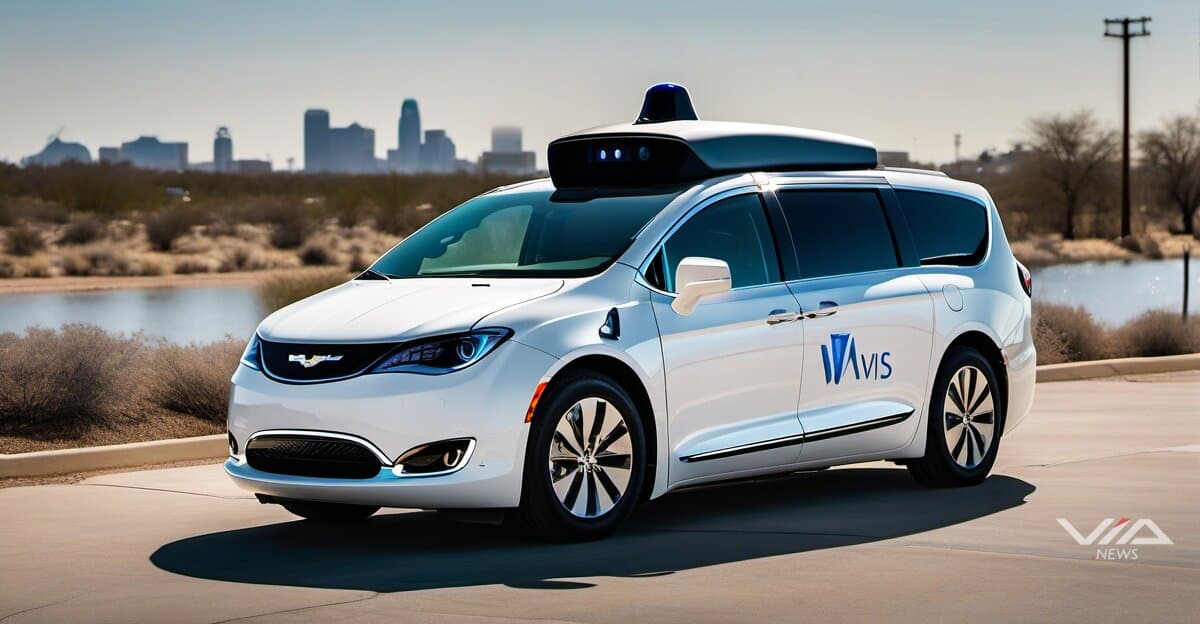
Waymo has partnered with Avis Budget Group to handle fleet management for its autonomous ride-hailing vehicles in Dallas. The arrangement delegates vehicle servicing, cleaning, and operational logistics to the rental company's existing infrastructure.
The partnership represents a maturation phase for autonomous vehicle deployment. Early robotaxi programs handled fleet operations internally, testing both self-driving technology and service logistics simultaneously. Outsourcing these functions to established providers indicates AV operators now prioritize geographic expansion over building proprietary maintenance networks.
Avis will manage day-to-day vehicle preparation at facilities near Waymo's operating zones. Tasks include charging electric vehicles, cleaning interiors between rides, and coordinating minor repairs. This model allows Waymo engineers to focus on software refinement and route optimization rather than fleet logistics.
The Dallas deployment follows Waymo's established operations in Phoenix and San Francisco. Each new city requires local infrastructure partnerships: depot space, maintenance contracts, and regulatory coordination. Traditional automotive service companies possess these assets and municipal relationships, accelerating market entry compared to building proprietary facilities.
Fleet management partnerships also distribute capital requirements. Operating thousands of vehicles across multiple cities demands significant investment in real estate, equipment, and personnel. Leveraging Avis's existing network reduces Waymo's fixed costs while enabling faster scaling.
This operational model may become standard as multiple AV companies expand simultaneously. Cruise previously contracted with Enterprise Holdings for fleet services before suspending operations in 2023. As services resume and new operators launch, demand for fleet management capacity could strain rental company resources or spark specialized AV service providers.
The partnership structure also clarifies business model evolution. Early autonomous vehicle companies positioned themselves as vertically integrated transportation providers. Current strategies increasingly resemble traditional automotive manufacturing: develop core technology while outsourcing ancillary operations to specialized partners.
Waymo's Dallas launch timing coincides with Texas regulatory frameworks favorable to AV testing. The state requires no special permits for autonomous vehicles meeting federal safety standards. This regulatory accessibility, combined with infrastructure partnerships, positions Texas markets for rapid robotaxi expansion through 2026.