
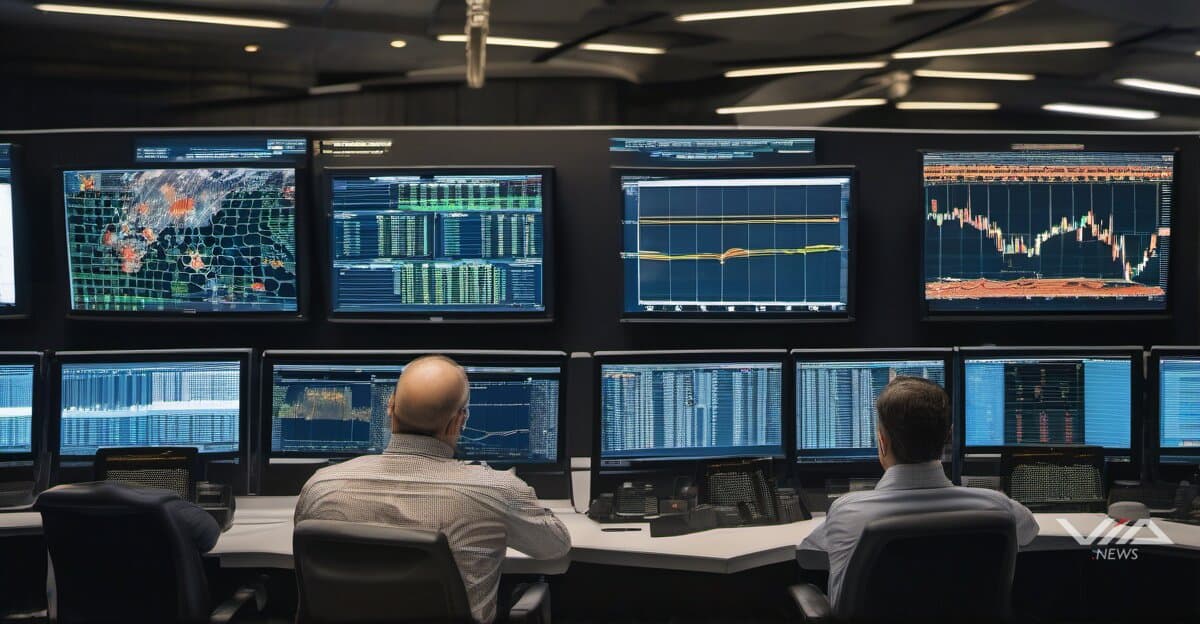
Market makers Flow Traders, Tradeweb, and Virtu Financial are deploying deep learning systems to maintain competitive advantage as algorithmic trading intensifies. The firms report strong performance while expanding AI infrastructure investments across their trading operations.
Specialized platforms including Galidix, TPK Trading, and nof1.ai are building competing real-time data harmonization and volatility adaptation capabilities. Digital-asset markets now operate with automated infrastructures where volatility cycles and liquidity conditions evolve at unprecedented speeds, according to Galidix.
TPK Trading recently unveiled an enhanced AI performance layer targeting digital-asset execution precision. The company states platforms capable of synthesizing large-scale data, adapting to volatility, and maintaining coherent performance will dominate future digital-asset trading.
Quantum AI launched a multi-asset automated trading platform in 2025 with a $250 minimum deposit and no platform subscription fees. The New York-based system integrates market analytics, portfolio automation, and risk-optimized execution across cryptocurrencies, forex, equities, commodities, and global indices.
The platform runs pattern-recognition algorithms, predictive modeling modules, and anomaly-detection layers identifying liquidity gaps, volume surges, and trend reversals. Its multi-layered AI engine processes historical and current datasets through machine-learning interpretation with 24/7 continuous monitoring.
Technical capabilities include dynamic portfolio rebalancing, multi-asset allocation models, and time-sensitive entry-exit timing. The system operates through regulated broker partnerships rather than direct financial services, with withdrawal processing typically completed within 24 hours.
Automated reaction cycles process market shifts, indicator triggers, and risk-threshold adjustments in real time. Low-latency routing pathways and distributed server routing enable rapid execution across supported assets.
The infrastructure arms race reflects intensifying competition as trading firms seek advantages in increasingly automated markets. Firms investing in advanced AI and machine learning systems aim to capture opportunities in markets where milliseconds determine profitability and data processing capabilities separate winners from losers.