
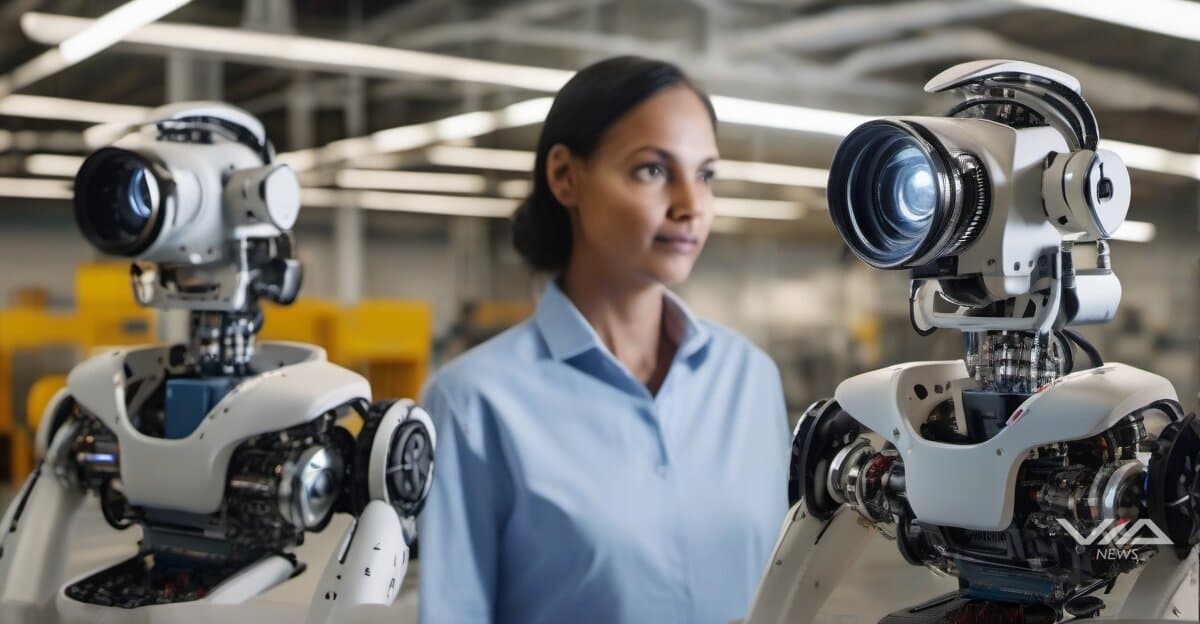
Computer vision applications are diverging into specialized domains instead of converging toward universal models. Autonomous robotics, edge AI devices, and medical imaging systems now demand task-specific optimization rather than general-purpose architectures.
Medical imaging reveals the stakes. Accurate detection of merging and splitting lesions is crucial for reliable response evaluation under RECIST standards. Melika Qahqaie notes that overlooking these events leads to misclassification and potentially incorrect assessment of disease progression. Computer vision systems must track individual lesion behavior across scans, not just detect objects.
Edge AI devices face different constraints. Low-power processors in drones, security cameras, and IoT sensors require models stripped down for real-time inference. These systems prioritize speed and energy efficiency over breadth, running specialized neural networks that handle narrow tasks like obstacle avoidance or motion detection.
Cultural preservation work demonstrates domain adaptation. At Yunju Temple, researchers use micro-trace imaging algorithms to enhance depth visualization of millennium-old stone scripture carvings. Hui Pengyu's team collects image data under light sources at different angles, then applies computer vision to reveal worn inscriptions. The technique requires custom algorithms tuned for stone surface textures and erosion patterns.
The economics of general-purpose models create pressure against specialization. When Meta released No Language Left Behind covering 200 languages including 55 African languages, investors told small NLP startups focused on African languages to shut down. Timnit Gebru reports similar patterns: when Big Tech announces broad model releases, funding dries up for specialized alternatives.
Development costs drive the same consolidation pressure. Gebru describes the dominant paradigm's resource demands: data collection practices, environmental impact from training compute, and labor exploitation. Small teams building domain-specific models struggle to compete on perceived scope.
Yet robotics applications expose general-purpose model weaknesses. Picking systems in warehouses need sub-100ms inference for gripper positioning. Autonomous drone racing requires prediction of gate positions at 60+ fps. Medical imaging demands explainability and audit trails. Each domain optimizes different metrics that universal models average across.
The computer vision field now faces competing directions: scale toward broader general models or specialize toward task-optimized systems. Current deployment patterns suggest fragmentation wins where performance constraints or domain requirements exceed what general-purpose architectures deliver.