
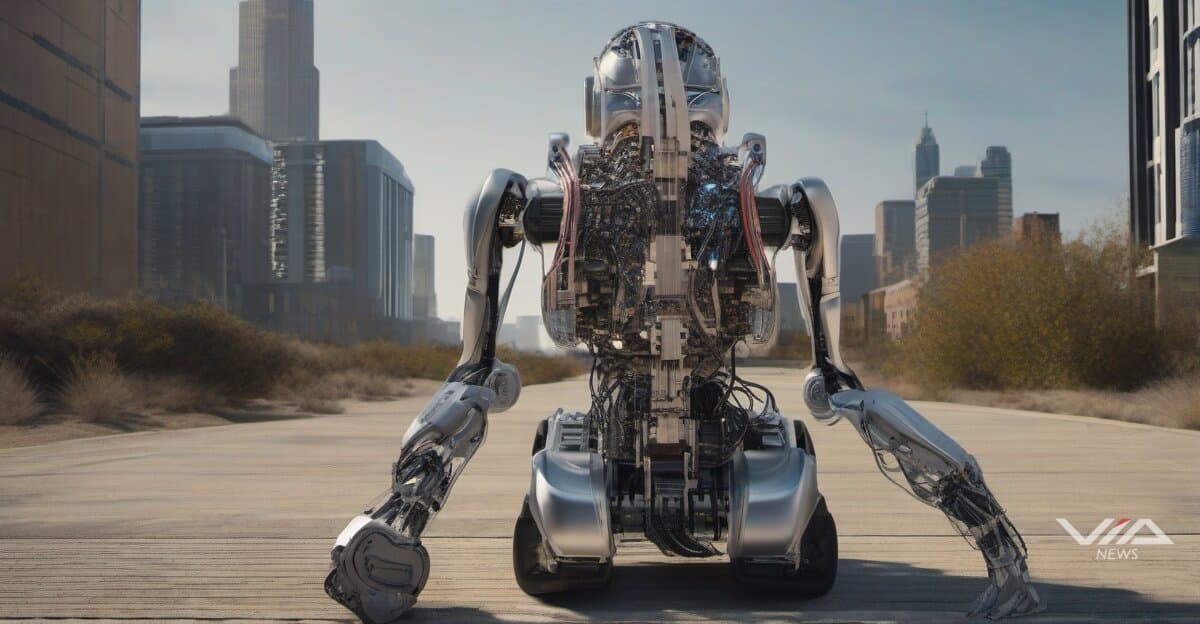
Five former OpenAI robotics team members have launched separate commercial physical AI startups, translating research breakthroughs into enterprise applications across manufacturing and logistics sectors.
Rocky Duan and Peter Chen co-founded Covariant, applying foundation model approaches to warehouse robotics. Shariq Hashme established Prosper Robotics for manufacturing automation, while Jonas Schneider leads Daedalus. Jian Zhang transitioned through Apple's robotics division before joining Meta's AI efforts.
The talent migration reflects a broader shift toward commercial robotics deployment. Autonomous vehicle companies are targeting 2026 for robotaxi launches, while humanoid robots are entering manufacturing floors and entertainment venues. HII partnered with Path Robotics to deploy AI welding systems in naval shipbuilding, and Corvus One launched autonomous solutions for cold chain logistics.
Manufacturing leaders are combining NVIDIA Physical AI frameworks with virtual twin technology to compress design-to-deployment cycles. Motohiro Yamanishi of OMRON stated that fully autonomous, digitally validated production systems allow manufacturers to "move from design to deployment with greater confidence and speed" by integrating AI simulation with automation hardware.
Enterprise adoption is accelerating in emerging markets. Saudi Arabia deployed Chinese robotics platforms across logistics, smart manufacturing, healthcare, and smart city services under Vision 2030 initiatives. Mohammed Alsolami noted that mature platforms enable local teams to "focus on integration, localization, and new services" rather than building systems from scratch, compressing pilot-to-scale timelines from years to months.
Nuro expanded autonomous on-road testing as part of safety validation protocols developed through years of commercial deployments. The company's framework reflects industry-wide standardization of autonomous system testing methodologies.
The convergence of foundation model expertise, manufacturing partnerships, and global deployment infrastructure is compressing the commercialization cycle for physical AI systems. What previously required years of custom development now leverages standardized platforms, pre-trained models, and validated integration patterns across industrial sectors.