
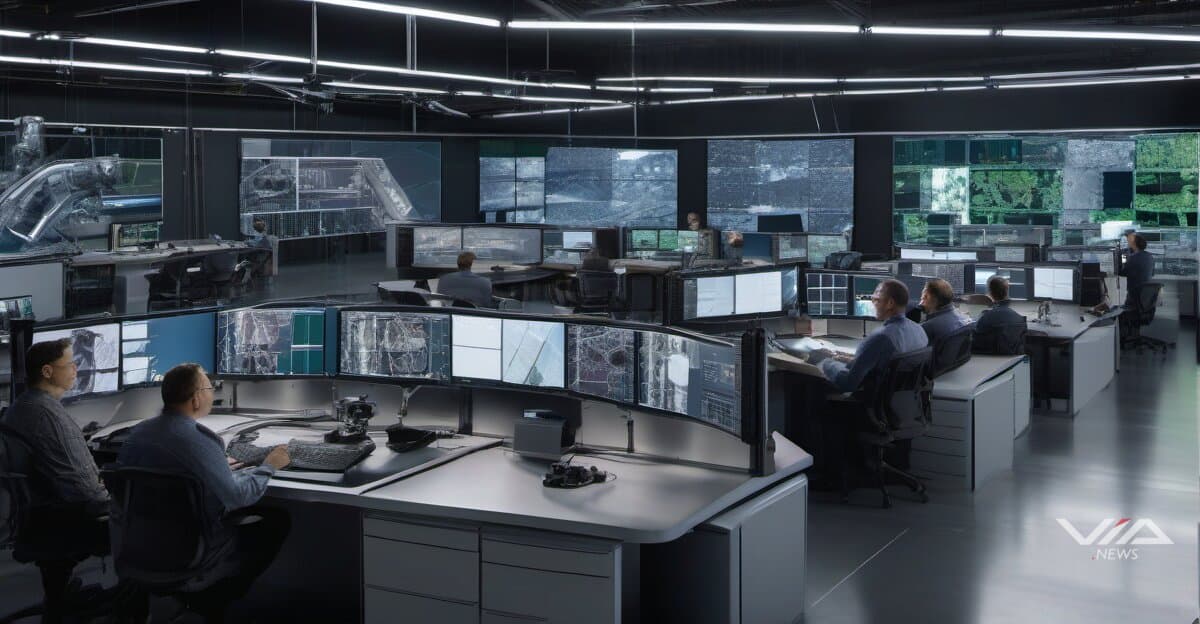
Autonomous vehicle developers are rejecting the black-box neural networks used in Level 2+ driver assistance systems, pursuing instead verifiable end-to-end vision models designed for full Level 4 autonomy.1
Waabi's autonomous trucking system and XPeng's VLA 2.0 vision-language model exemplify the shift. Raquel Urtasun, Waabi's CEO, stated that Level 2+ passenger car systems "are not verifiable" and therefore unsuitable for Level 4 deployment.1 Her company's Waabi Driver represents an alternative architecture built for verification from the ground up, though snowstorms still create operational limitations.1
The push toward production autonomy comes as 2 million people die annually in road accidents globally.1 Current driver assistance systems have not meaningfully reduced this toll, creating pressure for systems capable of operating without human oversight.
NVIDIA announced infrastructure supporting this transition, including its Space Computing Platform for satellite-based AI processing and the DSX AI Factory for training large vision models.2 XPeng's earnings report will provide insight into consumer adoption of advanced vision systems when the company reports March 20.3
Robotics applications are following similar patterns. The TM25S collaborative robot integrates large vision models for industrial automation, while enterprise deployments span grid monitoring, satellite imagery analysis, and property analytics.
Yann LeCun's research group raised over $1 billion to advance foundational vision AI, though he emphasized that "no individual including himself, Dario Amodei, Sam Altman, or Elon Musk has legitimacy to decide for society what is a good or bad use of AI."4
The autonomous trucking sector presents a test case for the technology's societal impact. Urtasun predicted that "everybody who's a truck driver today and wants to retire as a truck driver will be able to do so," suggesting deployment timelines measured in decades rather than years.1
The shift from research prototypes to production systems marks a departure from the incremental automation approach that dominated the past decade. Companies are now building for full autonomy or not building at all, betting that verifiable architectures can achieve regulatory approval and public trust that black-box systems cannot.