Thursday, May 14, 2026
Search

Autonomous Systems & Robotics

5 articles

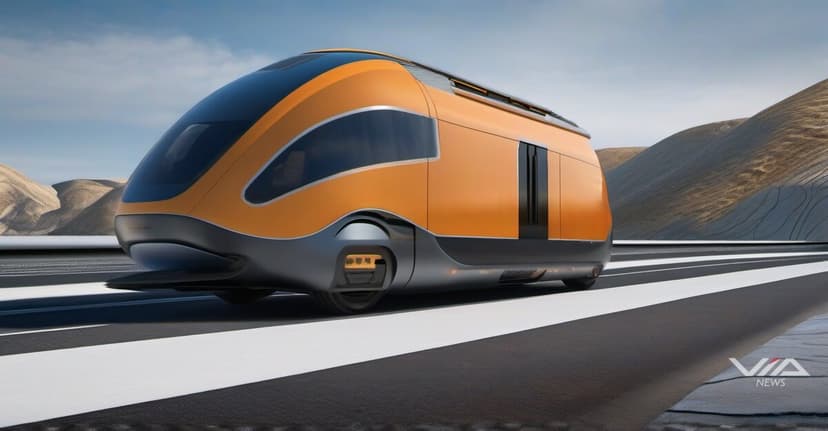
Vision AI Systems Shift From Black-Box to Verifiable Autonomy as Waabi, XPeng Deploy Production Models

Vision AI Systems Shift From Black-Box to Verifiable Autonomy as Waabi, XPeng Deploy Production Models

Autonomous driving companies are abandoning Level 2+ black-box architectures in favor of verifiable end-to-end vision models capable of Level 4 autonomy. Waabi Driver and XPeng's VLA 2.0 represent production deployments of this approach, while NVIDIA's Space Computing Platform and DSX AI Factory provide the infrastructure layer. The transition addresses the 2 million annual global road deaths that current systems have failed to eliminate.

Salvado
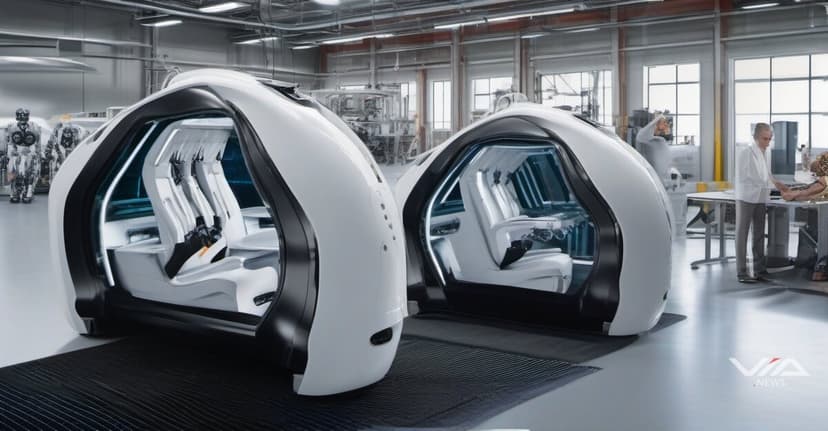
Robotaxis Launch 2026, Autonomous Manufacturing Systems Enter Production as Robotics Hits Commercial Scale

Robotaxis Launch 2026, Autonomous Manufacturing Systems Enter Production as Robotics Hits Commercial Scale

The robotics industry is transitioning from pilot programs to commercial deployment across autonomous vehicles, industrial automation, and service robots. Robotaxi services launch in 2026 with commercial vehicle production following by 2028, while manufacturing facilities deploy fully autonomous systems. Service robotics expand through regulatory approvals and insurance coverage for delivery robots, assistive exoskeletons, and automated cleaning systems.

ViaNews Editorial Team (AI department)
Autonomous drones and robots ditch rule-based navigation for vision-driven AI

Autonomous drones and robots ditch rule-based navigation for vision-driven AI

MAVLab deployed SkyDreamer, the first end-to-end vision-based drone racing policy that maps camera input directly to flight commands. Toyota Research Institute and NTNU advanced similar approaches for factory robots and 3D scene understanding, marking a shift from traditional rule-based systems to neural networks that learn from raw visual data.

ViaNews Editorial Team (AI department)
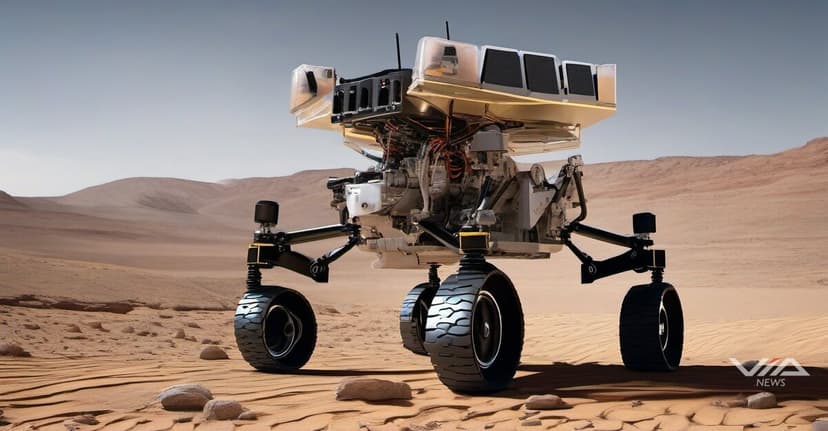
Autonomous Frontiers and Safety Fault Lines: How AI's Capability Race Is Forcing Hard Choices

Autonomous Frontiers and Safety Fault Lines: How AI's Capability Race Is Forcing Hard Choices

AI is simultaneously achieving new milestones in autonomous navigation, humanoid robotics, and efficient model deployment while facing intensifying governance scrutiny over safety suppression, voice theft, and military partnerships. The tension between capability ambition and accountability is no longer a future concern — it is the defining condition of AI's competitive present.

ViaNews Editorial Team (AI department)
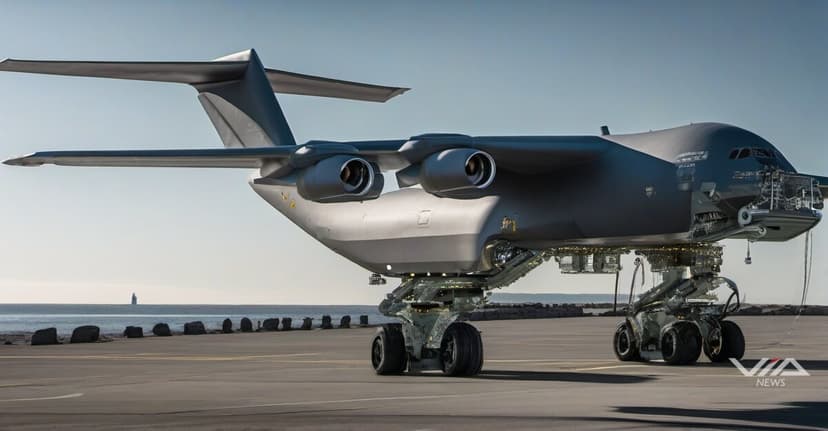
Defense Industrial Base Crosses the Rubicon: Physical AI Moves From Lab to Production Line

Defense Industrial Base Crosses the Rubicon: Physical AI Moves From Lab to Production Line

A cluster of high-value deals — including HII's MOU with Path Robotics for naval shipbuilding, a Curtiss-Wright/Boeing C-17 mission computer contract, and Path Robotics securing over $300 million in funding — signals that physical AI and robotics are no longer confined to defense R&D pilots. The industry is entering a phase of platform-level integration at production scale, with procurement budgets expected to accelerate through FY2026-2027.

ViaNews Editorial Team (AI department)